Minnesota Nuisance Bat and Wildlife Control
Minnesota Nuisance Bat and Wildlife Control specializes in the removal of bats, bat proofing, and other wildlife. We service both residential and commercial properties in Minnesota. Minnesota Nuisance Bat and Wildlife Control also provides inspections of the bat involvement of your residence or commercial property to establish what is needed and give an estimate of the costs.
The best way to remove bats is permanent exclusion. Entry points are located and one way exclusion devices will be installed. At the same time, we inspect the rest of your home to insure it is tight and that the bats cannot relocate from one hole to another.
Bat droppings, or guano, can be very dangerous to your health and may cause a condition called histoplasmosis.
FREE BAT ESTIMATE: Text or email your name and address with full photos of the front, back and both sides to 763-227-9888. On houses larger than 3000 sqft and houses older than 1970 we will give you a price range.
The best way to remove bats is permanent exclusion. Entry points are located and one way exclusion devices will be installed. At the same time, we inspect the rest of your home to insure it is tight and that the bats cannot relocate from one hole to another.
Bat droppings, or guano, can be very dangerous to your health and may cause a condition called histoplasmosis.
FREE BAT ESTIMATE: Text or email your name and address with full photos of the front, back and both sides to 763-227-9888. On houses larger than 3000 sqft and houses older than 1970 we will give you a price range.
RESIDENTIAL AND COMMERCIAL BAT REMOVAL
CALL: 763-227-9888
CALL: 763-227-9888


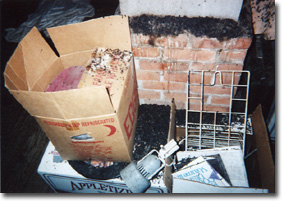
Bat Droppings in Attic
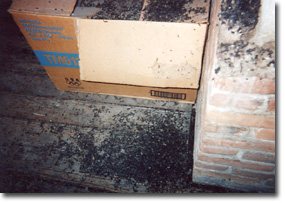
Bat Droppings in Attic
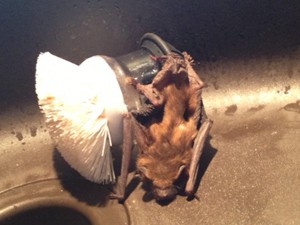
 1
1 2
2 3
3 4
4 5
5 6
6
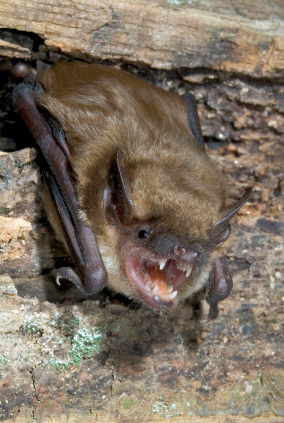
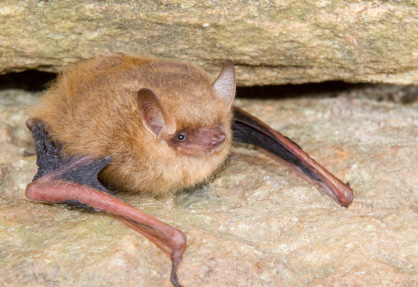
Signs of bat infestation in your home:
- Squeaking, scratching, or crawling sounds in your walls or attic
- Dead bats found in your home
- Bat droppings inside of house, in the attic, or walls, etc.
- Seeing bats fly away from your home at dusk
- Strong urine smell, especially on hot days
- See more images in our Bat Removal Photo Gallery
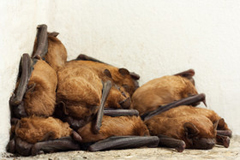
Are unwanted guests piling up at your house?
Bat Inspections
During this inspection Minnesota Nuisance Bat and Wildlife Control will determine what species of bats the house has, what type of roost they have, what physical building flaws we need to correct, and when we can schedule the work. From this inspection we can determine what the costs will be to bat proof the building. Exclusion can be very time consuming on large buildings or on those having a great many openings, but most houses that are in good condition can be bat proofed for a lot less.
In addition, and due to health concerns, Minnesota Nuisance Bat and Wildlife Control will consult with you if bat waste clean-up is necessary, such as removal and replacement of insulation due to urine and droppings (feces) saturation.
Permanent exclusion is the best way to remove bats. First, all entry points must be located and repaired; then one way exclusion devices my be installed, allowing existing bats in your home to leave. Once all bats are gone, exclusion devices are removed and remaining holes repaired.
In addition, and due to health concerns, Minnesota Nuisance Bat and Wildlife Control will consult with you if bat waste clean-up is necessary, such as removal and replacement of insulation due to urine and droppings (feces) saturation.
Permanent exclusion is the best way to remove bats. First, all entry points must be located and repaired; then one way exclusion devices my be installed, allowing existing bats in your home to leave. Once all bats are gone, exclusion devices are removed and remaining holes repaired.
Health Concerns
Because they are mammals, bats can carry rabies. This danger, however, is very minor. Of the sick bats that are brought in for testing, 1/2 of 1% are tested positive for the rabies virus. However, to be safe, never handle bats with bare hands and follow the Minnesota Department of Health guidelines for bat exposure. Histoplasmosis is another disease associated with some bat colonies. The disease is caused by inhalation of spores or fragments of the naturally occurring fungus Histoplasma capsulatum. This fungus is most frequently found in soil and areas enriched by excreta from bats and birds (especially pigeons and starlings). Human infections occur through the breathing dust that contains the spores. Some infections produce flu-like symptoms, but many infections in humans produce no symptoms or distress.
Parasites
Like all mammals bats may harbor fleas, mites, or ticks. Most of these bat parasites are highly host specific.

©AMinnesota Nuisance Bat and Wildlife Control